Before the new floors go down, take the pictures down
What to ask before new timber floors go in, how to clear and store your art, and how to rehang it once the work is done.

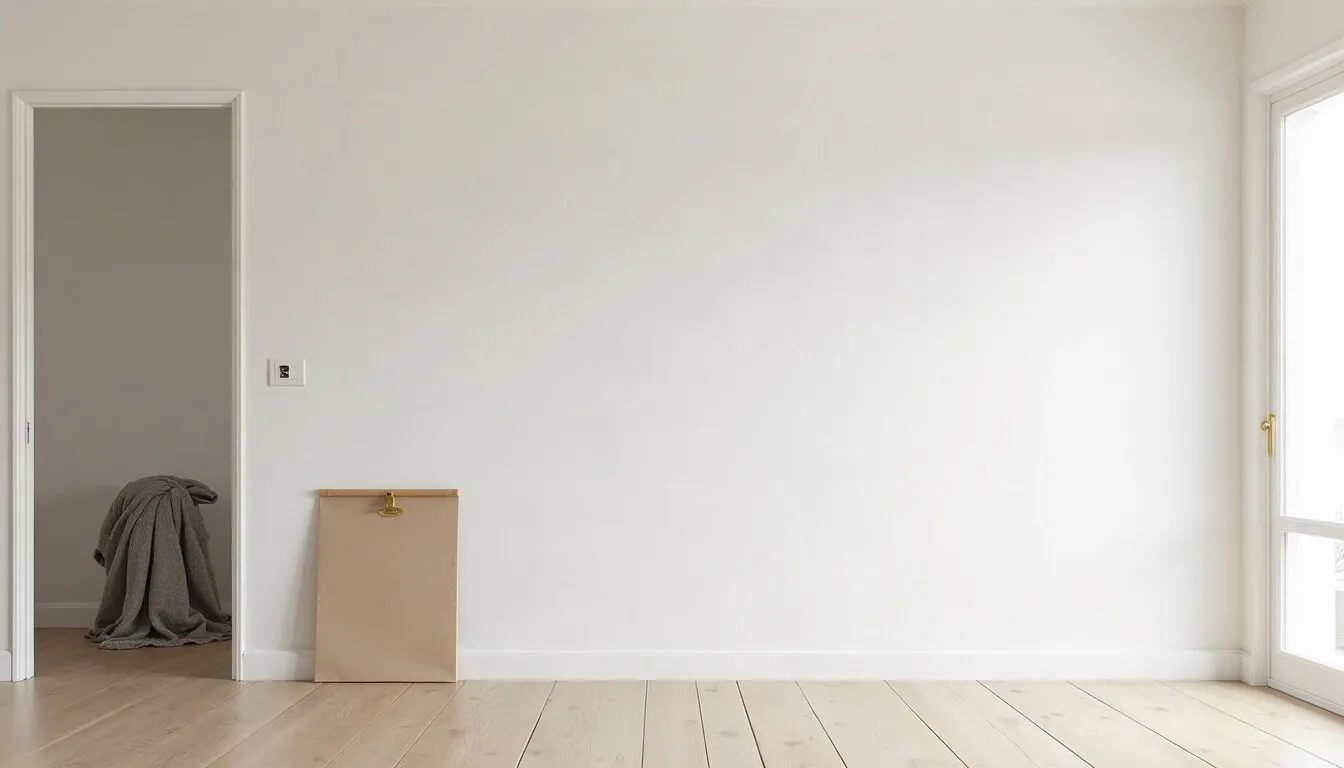
It's always the same scene. The sofa is in the kitchen, the rug is rolled up in the hall, the bookshelf is empty, and every single picture is still hanging on the living room wall, right above where the work is about to happen.
New timber floors are one of the best things you can do for a room full of pictures. Pages about hardwood floor installation Aurora homeowners read will explain the boards and the process; this piece is about everything hanging above them. Here's how to get your art off the walls, keep track of it while the floor goes in, and hang it back so the room looks better than before.
Why the walls matter when the work is on the floor
It's easy to think a floor job stays on the floor. It mostly does, but a few things reach the walls.
Boards are long and they come into the house through doorways and down hallways. Old flooring has to come up and go out the same way. Skirting boards often come off so the new floor can run right to the wall, and that means people working on their knees along every wall in the room, sometimes with tools close to the plaster.
There's also fine dust from cutting, and a steady thump of fixing boards down. A picture on a well-set hook will usually shrug that off. A picture on an old hook in crumbly plaster, or one balanced on a single nail, might not.
None of this is anyone doing anything wrong. It's just what happens when a room gets a new floor, and it's much easier to clear the walls than to work around them.
Questions to ask before the crew arrives
I like a short list. Ask these when the job is booked, and write the answers down:
- Which rooms are being done, and in what order?
- Which way will boards and old flooring come in and go out?
- Are the skirting boards coming off, and will they go back on or be replaced?
- Where will the new boards be stacked while they settle into the house before fitting?
- Will any cutting happen indoors, and in which room?
- How long should the room sit before furniture and rugs go back?
The answers turn into a map. Any room on the list gets cleared. Any wall along the carrying path gets cleared. Any room where boards will be stacked or cut gets cleared, even if its own floor isn't changing.
That last one catches people out. The spare room nobody thought about turns into a workshop for a few days, and the framed posters in it end up with a fine coat of sawdust on the glass.
Taking things down and keeping the paperwork together
This is where I get a bit fussy, and it pays off later.
Photograph every wall before a single hook comes out. One wide photo of each wall, then one close photo of each picture where it hangs. You'll use these to rehang, and they're also a useful record of what you own and what condition it was in.
Then take each picture down with two hands, holding the frame by its sides. Turn it over and photograph the back too. That's where the useful stuff lives: a framer's sticker, a pencilled title, a certificate tucked into the backing, a note in your own handwriting.
If you have receipts or certificates for anything in a drawer somewhere, now is a good moment to put them all in one folder. A house mid-renovation is exactly when things get lost, and you'll be glad of a single folder if anything is ever damaged and you need to talk to your insurer.
Label each wrapped picture with the room and wall it came from. A sticky note on the outside of the wrapping is enough. Small hardware, like spare hooks and the little screws from D-rings, goes into a labelled zip bag.
Where to put everything
| Option | What it does | Suits | Watch for |
|---|---|---|---|
| A room not being worked on | Keeps art out of dust and traffic | Most homes | Check it isn't where boards will be stacked or cut |
| A wardrobe or linen cupboard | Closed doors keep dust off | Small works and works on paper | Don't wedge frames in tight against each other |
| A friend's or family member's place | Takes art right out of the house | Big or much-loved pieces | Wrap well and carry them upright |
| Garage or shed | Space for bulky things | Sturdy, glazed frames only | Damp, heat, dust and concrete floors |
Whichever you choose, stand pictures upright, never flat, with a folded blanket under the bottom edge. Lean them face to face and back to back so glass meets glass and hooks meet hooks. Keep them off bare concrete and away from outside walls.
A worked example: a small house with a print-heavy hallway
Say you're in a small two-bedroom house. The living room and hallway are getting new timber floors. The hallway has nine small prints in a loose grid, the living room has one large painting over the sofa, and the second bedroom is staying as it is.
You ask your questions. The boards will be stacked in the dining area for a few days, and the cutting will happen in the garage. The skirting boards are coming off in both rooms.
So the hallway gets cleared, all nine, because that's the main carrying path. You photograph the grid first, so you're not trying to remember the layout later. The large painting comes down too, carried by two people and leaned against the inside wall of the second bedroom on a blanket. The dining room walls get cleared as well, because that's where the boards will sit.
The nine prints, wrapped in pairs, go into the bedroom wardrobe. The folder of receipts and the zip bag of hooks go into the top drawer next to them.
When the floor's done, the photos make the rehang quick. The grid goes back up in an afternoon, in the same order.
Rehanging on new floors
Wait until the work is truly finished and the room has been cleaned. Fine dust settles for a day or two after the last board goes down, and you don't want it on freshly wiped glass.
Before you rehang, run your hand over the old hook holes. If skirting boards came off and went back on, the walls may have picked up a scuff or two along the bottom, so it's a good time to patch and touch up any marks before the pictures go back.
Then have a proper look at the room. New timber changes the light. A warm floor bounces warm light up the walls, especially in the late afternoon, and a cooler, paler floor makes the room feel brighter. Pictures that looked fine over old carpet might look different now.
A few things worth thinking about:
- Furniture may go back in a slightly different place, especially if you're adding or removing rugs. Hang art to suit where the sofa or bed actually ends up.
- Aurora's winters are dry and cold and its summers are hot. Timber floors and art both like a room that stays fairly steady, so the advice your installer gives for looking after the floor will often suit the pictures too.
- If a hook felt loose when you took a picture down, don't reuse that hole. Move a little to one side, or ask someone handy to put in a proper fixing.
Step back
This week, walk your own house and imagine the floor is being done tomorrow. Photograph each wall, front and back of every picture, and put your receipts in one folder. It takes an hour, and it's useful whether a floor is coming or not.
Wall label
- Subject: protecting art while new timber floors go in
- Medium: frames, hooks, wrapping, photos and receipts
- Hang: living rooms, hallways and any room where boards are stored or cut
- Note: clear the walls along every path the work will take, and photograph everything before it comes down.

Jasper Quayle
Jasper Quayle writes for people buying their first original work: budgets, editions, certificates and the questions worth asking before paying. He lives in Brisbane, where his hallway is mostly prints and picture hooks.
In the same room
A new bathroom and the pictures that live with it
How to plan a place for art while a bathroom is being redesigned: light, steam, glazing and what to ask for before the walls close.
Regional galleries worth the drive
Why Australia's regional public galleries reward a road trip, seven well-established ones to plan around, and how to fit a gallery into a weekend away.
Hanging art at home, one careful step at a time
How high to hang a picture, how to space a group, picture rails versus hooks, fixings for plasterboard, brick and old plaster, and where art should never go.