Regional galleries worth the drive
Why Australia's regional public galleries reward a road trip, seven well-established ones to plan around, and how to fit a gallery into a weekend away.

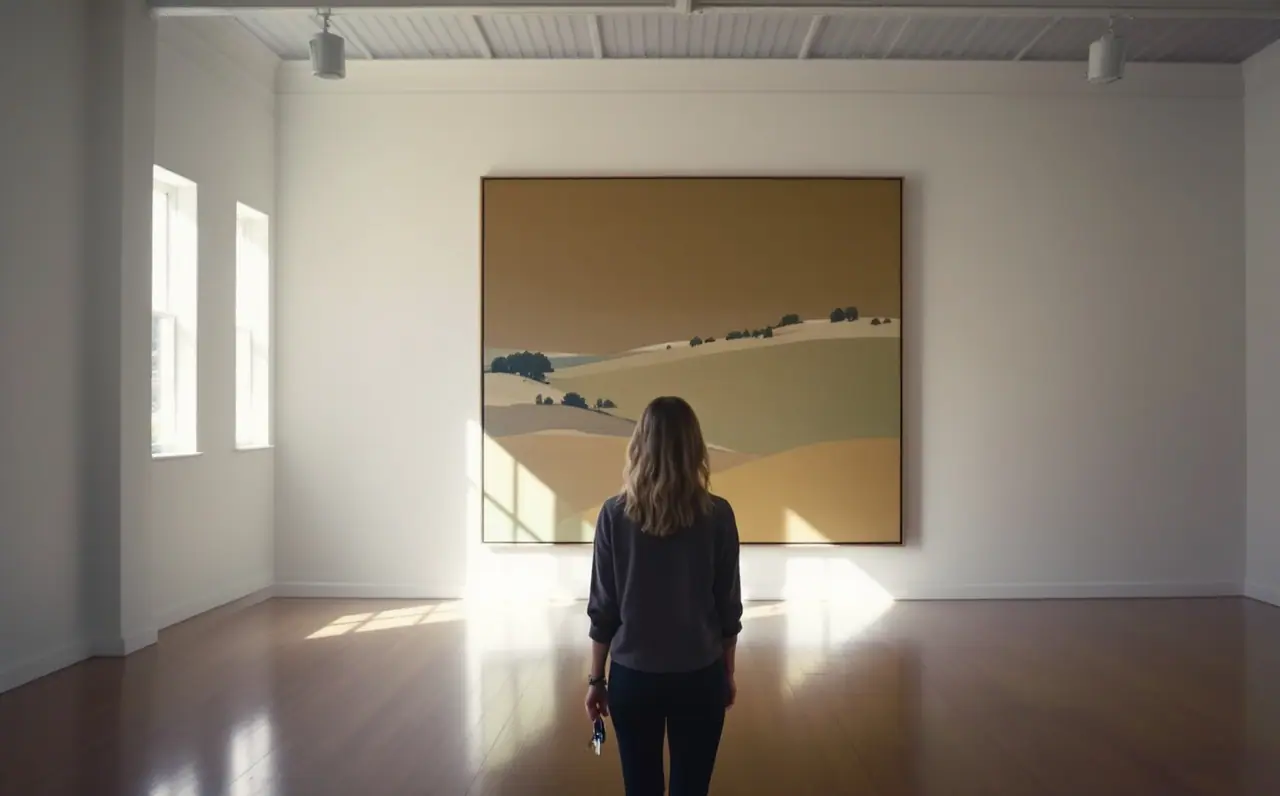
I grew up in the Hunter Valley, where a trip to the city meant Newcastle, and I have spent a fair part of my adult life driving out of Sydney on long weekends with a road atlas I no longer need and a thermos I still do. Somewhere along the way I worked out that the best stop on most country drives is not the bakery, good as it usually is. It is the regional gallery.
Australia has a remarkable network of public galleries outside the capital cities. Some are older than most state gallery buildings. Many hold collections that would surprise a visitor from the city, built up over a century or more from local gifts, bequests and careful buying on modest budgets. And they are rarely crowded, which means you can stand in front of a painting for as long as you like.
This is a road-tripper's guide: why regional galleries matter, seven well-established ones worth planning a trip around, and how to plan the visit itself.
Why regional galleries matter
There are three good reasons to go out of your way.
The first is the collections. Regional galleries were often founded by local people who wanted art in their town, and their holdings reflect that. You will find colonial landscapes of the surrounding district, paintings given by families who made their money in the area, and a strong showing of the artists who lived or worked nearby. Over time, many have also built serious collections of twentieth-century Australian painting, the period I care most about, because good work from the 1950s and 1960s was within reach of a regional budget when it was new.
The second is touring exhibitions. State and national institutions send exhibitions on tour to regional venues, which means a show you missed in the city may come to a town a couple of hours away. The Art Gallery of New South Wales, for example, tours a selection of Archibald Prize finalists to regional galleries after the Sydney showing; the visitor's guide to the Archibald Prize has more on that prize.
The third is prizes. Many regional galleries run their own art prizes, some of them nationally known, and the finalists' exhibitions are a quick way to see what painters and photographers across the country are doing now.
Seven to plan a trip around
These are all long-established public galleries. I have kept to facts about their history and collections; for opening days, current exhibitions and anything else practical, go to each gallery's own website before you set out. Regional galleries change their hours with the seasons, close for installations, and occasionally close for building works, so do not rely on a guidebook or an old listing.
Art Gallery of Ballarat, Victoria
The Art Gallery of Ballarat was established in 1884 by a group of citizens, and its building in Lydiard Street opened in 1890. It is often described as the oldest regional gallery in Australia, and its collection runs from the colonial period to the present. It has also been the custodian of the Eureka Flag since the 1890s; the flag is now on loan to the Eureka Centre in Ballarat, which is where you go to see it. Leave plenty of time for the Australian collection, and for the streetscape of Lydiard Street outside, which is a pleasure in itself.
Bendigo Art Gallery, Victoria
Bendigo Art Gallery opened in 1887 as the Sandhurst Fine Art Gallery (Bendigo was then known as Sandhurst), and moved to its home in View Street in 1890. The older rooms, added in stages over the following decades, still give it the feel of a nineteenth-century gallery, with a collection that has grown to several thousand works. Ballarat and Bendigo make a natural pair for a weekend from Melbourne.
Geelong Gallery, Victoria
Geelong Gallery was established in 1896 and is one of the country's oldest regional galleries. Its collection includes works of real national significance, among them Eugene von Guérard's View of Geelong (1856) and Frederick McCubbin's A bush burial (1890), a painting many Australians know from reproductions without ever having stood in front of it. In 2025 the gallery was the first stop on the Archibald Prize regional tour.
TarraWarra Museum of Art, Victoria
In the Yarra Valley near Healesville, TarraWarra Museum of Art opened in 2003 on the gift of Eva and Marc Besen, who gave the building and a large part of their collection. It is a not-for-profit public museum whose focus is Australian art from the second half of the twentieth century onwards, which makes it a fine place to spend an afternoon with the painters who came of age in the 1950s and 1960s. The building, designed by the architect Allan Powell, sits among vineyards with views out over the valley.
Newcastle Art Gallery, New South Wales
The gallery's story starts with a bequest. In 1945 the ophthalmic surgeon Dr Roland Pope left his collection of paintings and drawings to Newcastle on condition that the city build a gallery. It first opened in 1957 on an upper floor of the War Memorial Cultural Centre, and its purpose-built home in Laman Street opened in 1977. After a long fundraising effort, the expanded gallery reopened in 2025 at more than double its former size, giving its large collection of Australian art far more room on the walls.
Tweed Regional Gallery and Margaret Olley Art Centre, New South Wales
Outside Murwillumbah in the far north of the state, the Tweed Regional Gallery added the Margaret Olley Art Centre in 2014. Its best-known feature is a permanent re-creation of parts of the painter's home studio, rooms crowded with the objects that turn up again and again in her still lifes, and fitted with windows and doors from her house. The gallery also runs the Olive Cotton Award, a biennial prize for photographic portraiture, named for the twentieth-century photographer.
Broken Hill City Art Gallery, New South Wales
Opened in October 1904, the gallery in Broken Hill is the oldest regional gallery in New South Wales. Long known as the Broken Hill Regional Art Gallery, it took its current name in 2022. Since 2004 it has been housed in the old Sully's Emporium building on Argent Street, home to a local business for about a century, and it runs the Pro Hart Outback Art Prize, an annual acquisitive award. Broken Hill is a long way from anywhere, which is rather the point: it is a gallery you plan a whole trip around, and the country on the way out changes how you see the paintings when you get there. If the desert interests you as a subject, the note on Jo Bertini looks at one painter who spent years working as an expedition artist in remote desert country.
Planning the visit
A regional gallery is usually a short visit by city standards, a couple of hours rather than a whole day, but a little planning makes it much better.
- Check the gallery's own website the week you go, and again the day before. Opening days vary, and installation changeovers can close rooms or the whole building.
- Look up what is on. Many regional galleries show a part of their own collection alongside a temporary exhibition, and the balance shifts through the year. If you are going for a particular painting, email or ring ahead to ask whether it is on display, since works rotate and travel on loan.
- Ask about the collection. Front desk staff in regional galleries are often generous with their time. Asking which works they think are the gallery's best is one of the most reliable ways I know to find something wonderful.
- Pick up the room sheet or a catalogue. Regional galleries publish careful, modest catalogues that are hard to find later.
- Pair it with the place. Many regional collections are strongest on painters of their own district, so look at the country around you before or after. It is one thing to see a painting of flat western Victorian country in a city gallery and another to see it after a morning driving through it. The painter Philip Hunter, who grew up in the Wimmera, is a good example of that flat country in paint; the note on Philip Hunter is worth reading before a drive west.
A worked example: a Victorian goldfields weekend
Say you have a Saturday and Sunday and you start in Melbourne. A sensible plan might run like this.
- Saturday morning: drive to Ballarat, which takes a little over an hour in reasonable traffic. Arrive mid-morning, once the gallery has opened, and give the Australian collection a good two hours before lunch.
- Saturday afternoon: walk Lydiard Street and the town centre, and if you want to see the Eureka Flag, check the Eureka Centre's website for its days and plan for that separately.
- Saturday evening: drive on to Bendigo and stay the night.
- Sunday morning: Bendigo Art Gallery, again starting with whatever part of the collection is on show, then the temporary exhibition.
- Sunday afternoon: drive back to Melbourne, stopping along the way if a smaller town gallery is open.
Before any of this, check both galleries' websites for their weekend opening days, any closures for changeovers, and whether a major exhibition needs booking ahead. Build in slack, too. The best moments on these trips tend to be unplanned: a painting you did not expect, a volunteer with a story about a local donor, a picnic that runs long.
One more suggestion
Take a notebook. Write down one painting from each gallery that you would happily come back to see, and why. After a few trips you will have your own map of regional collections, and a reason to drive out again. In my experience, the second visit to a good regional gallery is better than the first, because you know where you are going and you can walk straight to the paintings you missed.

Lachlan Pryor
Lachlan Pryor writes about Australian landscape painting and the painters who came of age in the 1950s and 1960s. He grew up in the Hunter Valley and lives in Sydney's inner west, a short train ride from the state gallery he visits most weekends.
In the same room
Visiting the Archibald Prize and its room full of faces
Where the Archibald came from, what its rules ask of a portrait, how the Wynne, Sulman, Packing Room and People's Choice fit in, and how to look at the walls.
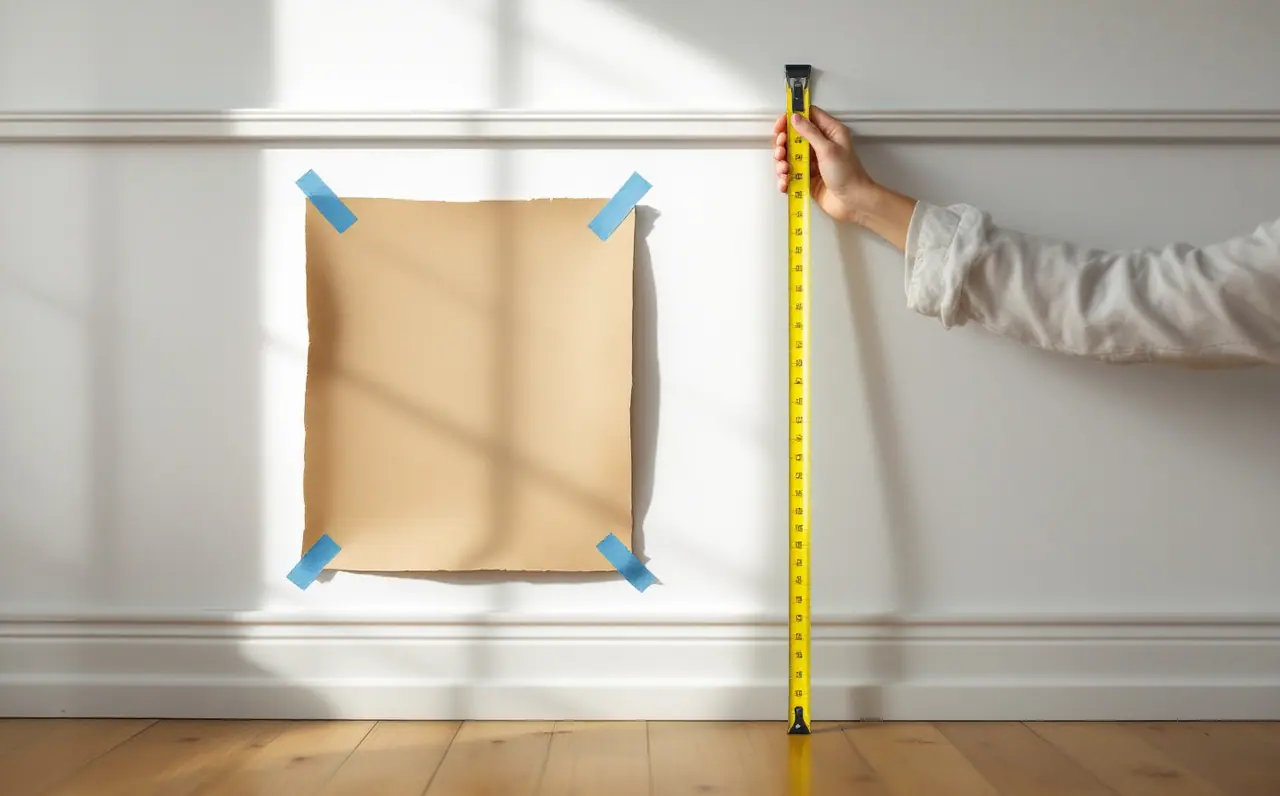
Hanging art at home, one careful step at a time
How high to hang a picture, how to space a group, picture rails versus hooks, fixings for plasterboard, brick and old plaster, and where art should never go.
Visiting a commercial gallery for the first time
Commercial galleries are free, quiet and glad to see you. How price lists, red dots and stockrooms work, and how to walk in without feeling like an intruder.