
A new bathroom and the pictures that live with it
How to plan a place for art while a bathroom is being redesigned: light, steam, glazing and what to ask for before the walls close.

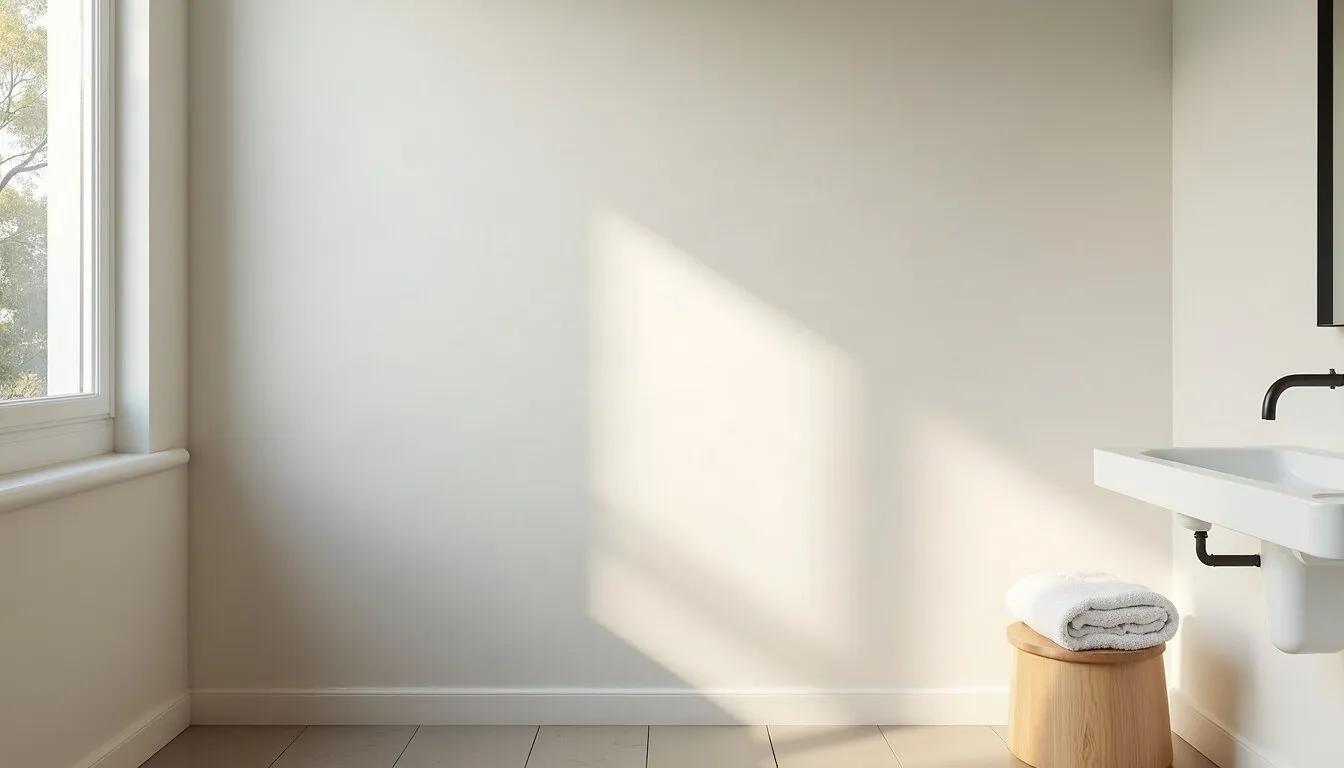
A small photograph leans on the bathroom windowsill, waiting for a hook. It has been waiting for a month. Every morning the mirror fogs, the glass on the frame fogs with it, and the picture disappears for ten minutes.
That is the bathroom problem in one image. The custom bathroom remodeling Scottsdale AZ homeowners plan usually starts with tiles, taps and storage, and the picture on the wall comes last. It should come earlier. Here is how to think about art while a bathroom is still on paper, so the finished room has a place for it.
Start with where the light falls
Before anything else, stand in the doorway at three times of day. Morning, midday, late afternoon.
Watch where the light lands. In a sunny, dry place like the Arizona desert, a bathroom window can throw a hard bright patch across one wall for hours. That patch is the worst spot for a photograph or a work on paper. Daylight fades inks and dyes slowly, and you never notice until you lift the frame and see the paler square behind it.
Now look at the artificial light. Most bathrooms are lit for the mirror: bright, even, from above or from the sides. That light bounces. A framed picture behind ordinary glass on the wall opposite the mirror will often show you a reflection of the vanity lights and nothing else.
So the first job is a sketch. Mark the window, the mirror, the vanity lights and the bright daylight patch. What is left is where art might live.
Then check the sightlines. Exhibitions are hung so that a work reads from the doorway as you walk in, and a bathroom works the same way. Stand at the door, then sit on the edge of the bath, then stand at the basin. The wall you can see clearly from at least two of those spots is the one worth planning around.
Steam, splashes and what can cope
A bathroom is the one room in a dry house that gets properly humid, several times a day, and then dries out again. That swing is harder on art than steady damp.
Paper takes up moisture and ripples. Framers call it cockling. Over time, damp can bring out foxing too: small rust-coloured freckles on the sheet. Canvas slackens a little in steam and tightens as the room dries, again and again.
Keep anything precious out of the bathroom altogether. An old family photograph, a watercolour, a drawing you love: these belong in a drier room. The bathroom is for things that can take it.
Rule these out before you choose:
- original works on paper of any kind
- anything with a paper mat close to the glass
- old timber frames with open joints, which swell and gap
- anything you would be upset to see ripple
What is left is still a wide field. Photographs, prints you can replace, small canvases and pieces made for wet rooms all have a place.
| Option | What it does | Suits | Watch for |
|---|---|---|---|
| Photograph face-mounted to acrylic | Seals the print behind a single sheet | Walls near the shower or bath | Fingerprints, scratches when cleaning |
| Framed print behind acrylic glazing | Lighter than glass, safer if knocked | Walls away from direct splash | Dust drawn to the surface |
| Small canvas, unglazed | No glass to fog or reflect | A dry corner with good airflow | Slackening after long steamy showers |
| Ceramic or glazed tile work | Built for water | Inside the wet zone itself | Grout and fixing, best left to the installer |
Glazing, by the way, just means the clear sheet in front of a framed work. Glass or acrylic. Glass reflects more. Acrylic scratches more.
Plan the wall before the tiles go on
This is where a remodel gives you something a finished room never will. The walls are open. You can ask for things.
Talk to your designer or contractor about which wall you want art on, and roughly what size. Then ask a few plain questions:
- Can the wall have solid timber fixing behind it? In Australia it is called a noggin, a short piece of timber between the studs. Whatever the local name, a picture hung into solid backing stays put on a damp wall far better than one hanging off a plasterboard anchor.
- Where do the pipes run? You want to know where not to drive a hook, and which wall stays dry.
- Can the lighting be placed so it doesn't glare off a frame? A good designer will think about sightlines from the door, the bath and the mirror.
- How will the room vent steam? Ventilation is the contractor's area. Ask about it anyway. A room that clears quickly is kinder to everything in it, art included.
Leave the installation, wiring and fixings to the trades. Your job is to arrive with the picture in mind, so it is part of the plan rather than an afterthought.
A worked example: the narrow ensuite
Imagine a long, narrow ensuite. Shower at the far end. Vanity and mirror down one long wall. Window high on the end wall above the shower. Opposite the vanity, a blank wall about the width of a door.
That blank wall is the obvious place for a picture. It is also directly opposite the mirror lights. Anything behind glass will reflect them.
Here is how a careful owner might work through it during the remodel.
First, they ask whether the vanity lights can sit beside the mirror rather than above it, so the light falls across the room more softly. The designer has views on this, and the owner listens.
Second, they ask for solid timber backing in that blank wall at about eye height, centred, before the wall is closed and tiled or painted.
Third, they choose the work for the room last. A photograph face-mounted to acrylic, with a matte finish if they can find one, so there is less shine. Nothing old or irreplaceable.
Fourth, they wait. Fresh paint and fresh grout both need time to cure, and the room is full of moisture while they do. The picture goes up a few weeks after the work is finished, not on the last day.
The result is a quiet wall that reads clearly from the door, the bath and the basin. No fogging glass. No reflected globes.
If the owner later wants to change the picture, the timber backing is still there. Swapping a work is a five-minute job instead of a hunt for a stud with a damp wall in the way.
Protect the rest of the house while the work happens
A bathroom remodel is noisy and dusty, and the dust travels. Plaster and tile dust settle on frames in the hallway and the bedroom next door, and the vibration from demolition can loosen hooks on the other side of a shared wall.
Before the work starts, take down everything on the walls of the bathroom and on any wall that backs onto it. Wrap works in clean cotton sheets, not plastic, and stand them upright in a room well away from the job.
Photograph each piece, front and back, before it comes down. It takes ten minutes and it settles any questions later.
When the dust has settled and the trades are gone, wipe the frames with a soft dry brush or cloth before rehanging. Nothing wet on the glazing near the frame edges.
Step back
This week, stand in your own bathroom doorway and look at the wall opposite the mirror. If there is a picture there behind glass, check whether you can actually see it, or only the lights reflected in it.
Wall label
- Subject: planning a place for art in a bathroom remodel
- Medium: photographs, prints, acrylic glazing, timber backing, lighting
- Hang: the dry wall that reads clearly from the doorway
- Note: decide where the picture goes while the walls are still open, and keep anything precious in a drier room.

Mei-Ling Stroud
Mei-Ling Stroud covers gallery-going and photography: openings, prizes, room sheets and the way a show is hung. She lives in Sydney, shoots film on weekends and keeps a shoebox of exhibition invitations going back years.
In the same room
Regional galleries worth the drive
Why Australia's regional public galleries reward a road trip, seven well-established ones to plan around, and how to fit a gallery into a weekend away.
Hanging art at home, one careful step at a time
How high to hang a picture, how to space a group, picture rails versus hooks, fixings for plasterboard, brick and old plaster, and where art should never go.