What a hidden leak does to the art on your walls
How to spot water behind a wall before it reaches your pictures, what to check on the back of each frame, and what to ask the plumber.

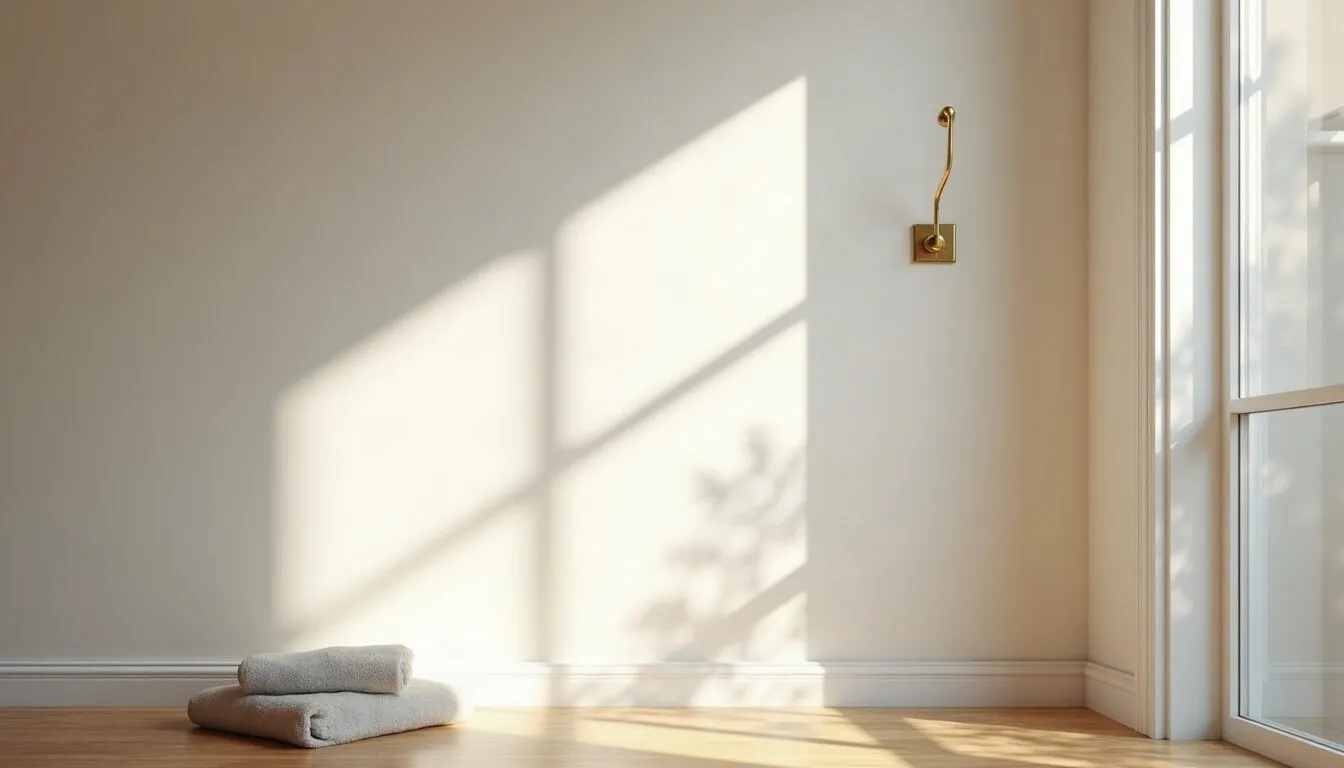
The morning light in my hallway lands low on the long wall where the watercolours hang. One winter it caught something new: a faint brown line along the bottom of a mat, like the mark a tide leaves on sand. The wall behind it shared a cavity with the bathroom, and the shower had been weeping into it for months.
Water you cannot see is the quiet enemy of anything on paper. What should you ask San Fernando CA plumbers when a wall behind your pictures turns out to be wet? The pipe comes first, but the art still deserves a careful hand. This piece covers the looking, the checking and the questions, in the order a patient person would take them.
Read the wall before you read the picture
Most leaks announce themselves on the wall long before they reach the frame. Stand back from the wall at the time of day when the light rakes across it, early morning or late afternoon, and look along its length rather than straight at it. Raking light shows what a straight-on view hides: a slight bubble in the paint, a soft swelling near the skirting board, a patch that looks a shade darker than its neighbours.
Then think about what lies behind. A hallway wall that backs onto a bathroom, laundry or kitchen has pipes and drains inside it. So does the wall under a window where the gutter runs above, and any wall below an upstairs bathroom. These are the walls where works on paper are most at risk, and they are often the walls people choose for pictures because they are long, plain and well lit.
A few signs worth noting before you touch anything:
- a musty smell close to the wall that fades as you step back
- paint that feels cool or slightly tacky when the rest of the room is dry
- small dark spots near the floor or in a corner
- a hook or nail that has rusted, leaving an orange streak below it
None of these prove a leak, but each one is a reason to take the pictures down and have the wall looked at properly.
Take the pictures down and turn them over
Take everything off a suspect wall before you do anything else. Lift each work by the frame sides with both hands, not by the wire or cord, and carry it to a dry room with steady air. Lay works on paper flat on a clean towel over a table, face up, and stand canvases upright against an inside wall with a folded blanket under the bottom edge.
Now turn each frame over and look at the back. The backing board is the first thing water touches. You are looking for cockling, which is the gentle rippling paper does when it takes up moisture and dries unevenly, and for foxing, the small rust-coloured freckles that appear on old or damp paper. Check the bottom edge of the mat too. A tide mark there means water has wicked up into the paper from below.
Canvas behaves differently. A slack canvas, one that has lost its drum-tight tension and sags a little in the middle, can mean the fabric has taken on damp. Run the back of your hand lightly over the stretcher bars, the timber frame the canvas is stretched over, and feel for any softness or a whiff of mould.
Write down what you find, picture by picture, and take a photo of the front and back of each one. If something has real damage, a paper conservator or a good framer can tell you what is worth doing. That is a separate conversation from the plumbing, and it can wait until the water has stopped.
Questions worth putting to the plumber
The plumber's job is the pipe, not the painting, and that is exactly as it should be. But a few plain questions help you understand what is happening inside the wall your art lives on, and when it will be safe to rehang.
- Where is the water actually coming from? A good plumber will trace the source rather than guess, whether it is a supply pipe, a drain, a shower seal or something outside the house.
- Does the wall need to be opened? If it does, you will want the room cleared well before anyone arrives with tools, because plaster dust settles on everything.
- How long should the wall be left to dry? Ask what they would wait for before the wall is closed up and painted again. Art should go back after that, not before.
- Are there other walls with pipes behind them? This is the question that saves the next picture. Knowing which walls carry water helps you plan where works on paper should hang in future.
If the leak is a drain or a blocked pipe that has backed up, the plumber may talk about clearing the line or replacing a section. Listen, ask them to explain it in plain words, and let them do the work. The only part of that job that belongs to you is making sure nothing you care about is in the way.
In a warm, dry valley climate like much of Southern California, people sometimes assume damp is a problem for other places. It is not. A slow drip inside a wall does its work regardless of the weather outside, and a wall that never sees rain can still hold water for a long time.
A worked example: the hallway beside the bathroom
Picture an ordinary single-storey house with a central hallway. On one side of the hall is a bathroom. On the hallway wall, sharing that cavity, hangs a row of four small framed prints and one watercolour, all at eye height, all lit nicely by a window at the end of the hall.
The owner notices a faint smell near the end of the row and a slight bubble in the paint low down near the skirting. Here is how a careful person would work through it.
First, they take all five pictures down and carry them to the bedroom, laying the works on paper flat on the bed over a clean sheet. The watercolour, nearest the bubble, has a pale brown line along the bottom of its mat. The prints further along look fine.
Second, they photograph the wall, the bubble and each picture front and back. Then they call a plumber, describe the smell and the bubble, and mention that the bathroom sits right behind it.
Third, while the plumber investigates and repairs the problem, the pictures stay in the bedroom, away from the dust and the open wall. The watercolour goes to a framer to have the mat replaced and the backing checked, because the mat is cheap to change and it was doing its job by catching the water first.
Finally, once the plumber says the wall is dry and the painter has finished, the owner waits a little longer before rehanging. Then they rethink the arrangement: the prints go back on the hallway wall, but the watercolour moves to a bedroom wall with nothing wet behind it. The wall beside the bathroom gets something sturdier, a small canvas or a framed photograph behind glass.
Choosing which walls carry paper
Once you know where the water runs in your house, you can hang with it in mind. Works on paper, watercolours, drawings, old photographs and prints are the most sensitive. Oils and acrylics on canvas cope better with small changes in the air, and framed photographs behind glass sit somewhere in between.
| Option | What it does | Suits | Watch for |
|---|---|---|---|
| Inside wall with no wet room behind | Keeps the work away from hidden pipes | Watercolours, drawings, old prints | Heaters or vents on the same wall |
| Wall backing a bathroom or laundry | Long and plain, often well lit | Canvas, sturdy framed photographs | Smell, bubbling paint, rust on hooks |
| Wall under an upstairs bathroom | Often a good height for hanging | Works you check on regularly | Stains on the ceiling above |
| Outside wall under a gutter | Gets good daylight | Canvas, with a gap behind the frame | Damp after heavy rain |
A small trick that helps anywhere: put two little felt or cork bumpers on the bottom corners of each frame. They hold the frame a finger's width off the wall so air can move behind it, and they make it easier to spot a damp patch, because you can see down behind the picture without lifting it.
Step back
This week, walk your own walls with the light low and raking, and ask which of them have water running behind. If a work on paper hangs on one of those walls, lift it, look at the back, and decide whether it might be happier somewhere else.
Wall label
- Subject: hidden leaks and the art that hangs over them
- Medium: works on paper, canvas, plaster walls, pipes and drains
- Hang: hallways, laundries and any wall that backs onto a wet room
- Note: take the pictures down first, let the plumber find the water, and rehang only once the wall is properly dry.

Lachlan Pryor
Lachlan Pryor writes about Australian landscape painting and the painters who came of age in the 1950s and 1960s. He grew up in the Hunter Valley and lives in Sydney's inner west, a short train ride from the state gallery he visits most weekends.
In the same room
Before the outside painters start, take the pictures down
Exterior painting shakes outside walls and changes the light indoors. Here is what to take down, where to store it and when to rehang.
The hallway switchboard and the pictures that live with it
A simple checklist for clearing, recording and rehanging the art near your electrical panel before an electrician upgrades it.
Caring for a canvas painting at home
Light, humidity, dust, carrying, slack canvas and storage: the everyday care that keeps an oil or acrylic painting on canvas sound, and what to leave alone.