Before the outside painters start, take the pictures down
Exterior painting shakes outside walls and changes the light indoors. Here is what to take down, where to store it and when to rehang.

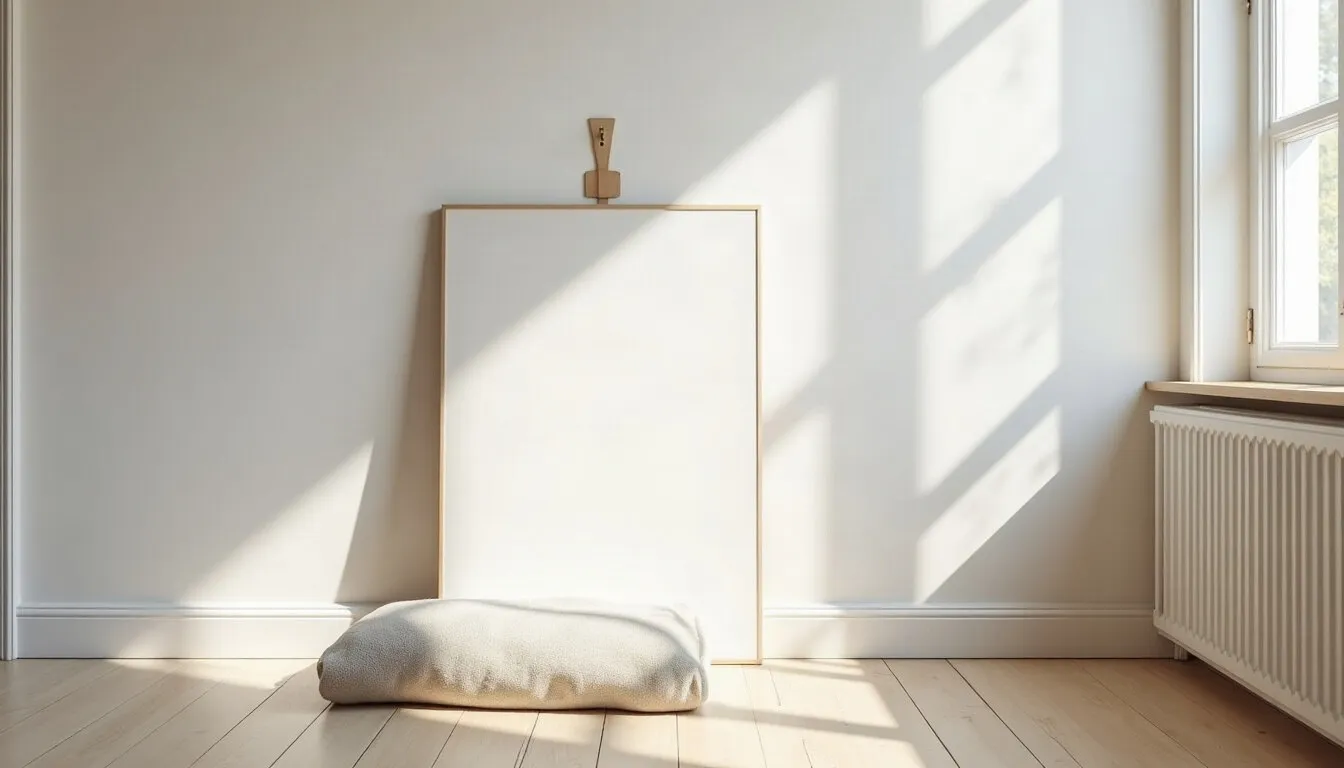
The ladder went up against the front of the house at eight in the morning, and by nine the little etching in the sitting room was hanging at a jaunty angle. Nobody had touched it. The scraping on the other side of the wall had simply walked its hook down the plaster, a millimetre at a time.
Painting the outside of a house seems to have nothing to do with the art inside. If you've booked a local company such as Front Range Painters Colorado to repaint the exterior, the work still reaches your walls through the windows, the vibration and the light. Here is the order I'd take things in, so the pictures come through untouched.
Walk the outside walls from the inside
Start indoors with a notebook. Go room by room and note every picture hanging on an external wall, the walls that have weather on the other side. Those are the ones that will feel the scraping, sanding, washing and ladders.
Then note every picture near a window. Exterior painters work around window frames, sills and trims, and windows are often taped up, opened for access or left open for drying. That changes the light and the air in the room for days.
Don't forget the less obvious spots:
- the stair wall, which is often an outside wall running up the side of the house
- pictures above a front door, where the frame and trim will be prepared and painted
- anything on a wall shared with a garage or veranda that is being painted too
- works leaning on a windowsill "for now", which is where things get knocked
By the end you'll have a short list. It is usually shorter than people fear, and it is the list that matters.
Take down what is on the outside walls
Take everything off the external walls before the first ladder goes up. Not the morning of. The day before, when you're calm and not stepping round a painter.
Preparation is the noisy part. Scraping loose paint, sanding, and washing down the walls all send small shocks through the structure. A picture on a single nail or a stick-on hook will creep. Heavier frames on a picture wire can jump off a hook entirely if the wall is knocked hard from outside.
Lift each work with two hands on the frame sides, never by the wire. Stand canvases upright against an inside wall, face to the wall, with a folded towel under the bottom edge. Lay works on paper flat in a room with no external walls if you have one, a hallway or a cupboard, covered with a clean cotton sheet. Plastic sheeting traps moisture. Cotton breathes.
Photograph each piece front and back as it comes down. You'll want those photos anyway for your own records, and they settle any questions later about a chip on a frame.
Before anything goes back up, give each frame a gentle going-over with a soft, dry brush. Fine dust from sanding finds its way indoors through every gap, and it settles along the top edge of a frame and in the corners of the glazing, the glass or acrylic at the front.
Think about the light while the windows are covered
Exterior painters often mask windows with paper or plastic while they spray or roll the frames and trims. For a few days, a room that normally gets bright morning sun may sit in a dim, papery glow. Then the masking comes off and the sun comes straight back.
That swing is no great drama for art. But it is a good moment to look at your walls without the usual glare and ask whether a work has been sitting in the sun too long. In a high, dry place with strong sun like Colorado, daylight is generous and it fades paper, photographs and textiles over time. Look for a paler patch on a mat or a print that has lost its warmer colours.
Also think about colour. If the outside of the house is changing colour, the light coming in may change a little too. Daylight reflecting off a fresh warm-toned wall next door or a bright white trim lands differently on the wall opposite the window. It's subtle, but once you notice it you'll see it.
A worked example: a brick cottage with a plaster sitting room
Take a single-storey brick cottage. The sitting room has two external walls, one with a sash window, both of old plaster over brick. On those walls hang a small oil painting, a pair of framed botanical prints and a mirror. The inside wall, shared with the hall, has a bookcase and a framed photograph.
The house is having its timber trims, window frames and eaves repainted. Here is how I'd handle it.
- The day before: take down the oil, both prints and the mirror. The mirror is heavy and the most likely thing to come off its hook, so it comes down first. Leave the photograph on the inside wall; check it once the work starts.
- Store them: the oil stands face to the wall in the hall on a folded blanket. The prints lie flat on the spare bed under a cotton sheet. The mirror leans against the bedroom wardrobe on a towel.
- Note the hooks: old plaster can crumble around a hook, and the vibration will show you which ones were loose. When the work's done, look at each hook hole. If the plaster has cracked or come away, have it patched before rehanging rather than pushing a new nail into the same hole.
- Wait for the windows: if the sash window was painted, it may be stiff or tacky for a while. Leave it closed and don't hang anything near it until it's properly dry and working.
- Rehang in stages: the oil and the mirror go back first, because they're sturdy. The prints go back last, and perhaps not on the same wall if the sun turned out to be stronger there than you'd thought.
What to ask the painters
The painters' job is the house, not your pictures, and that's quite right. A few questions help you plan around them.
Which walls will you work on, and when?
A good contractor will walk you through the order of work. Knowing that the north side is first and the street front is last tells you which pictures can stay up a day or two longer.
Will you need to come inside?
Sometimes window frames and doors are painted from both sides, or access is needed through the house to reach a back wall. If anyone is coming through, clear the route of anything leaning against a wall.
How long should windows stay closed after painting?
Ask, and follow it. Painted sashes and frames need time, and opening them too early marks the paint.
Will you be washing the walls down first?
Many exterior jobs start by cleaning the walls. Water driven hard at an old window frame can find its way past a tired seal and run down the inside of the wall. Once the washing is done, look at the inside sills and the plaster under each window for damp patches, and keep works on paper off those walls until they're dry.
Leave ladders, scaffolds and anything at height to the painters. Your part is inside, and it's mostly about getting things out of the way and putting them back with care.
Step back
This week, walk around your house and put your hand flat on each wall with a picture on it. If there's weather on the other side, that picture is the one to check first whenever anyone works on the outside of the house.
Wall label
- Subject: exterior painting and the art on the inside walls
- Medium: plaster, brick, picture hooks, windows and daylight
- Hang: any external wall, stair walls and pictures near windows
- Note: take down everything on an outside wall the day before the painters arrive, and rehang only once the windows are dry.

Fenella Garrick
Fenella Garrick writes about framing, hanging and looking after art at home, from mat board to picture rails. She lives in Melbourne in a 1920s house with its original picture rails and firm opinions about hooks.
In the same room
What a hidden leak does to the art on your walls
How to spot water behind a wall before it reaches your pictures, what to check on the back of each frame, and what to ask the plumber.
The hallway switchboard and the pictures that live with it
A simple checklist for clearing, recording and rehanging the art near your electrical panel before an electrician upgrades it.
Caring for a canvas painting at home
Light, humidity, dust, carrying, slack canvas and storage: the everyday care that keeps an oil or acrylic painting on canvas sound, and what to leave alone.