The hallway switchboard and the pictures that live with it
A simple checklist for clearing, recording and rehanging the art near your electrical panel before an electrician upgrades it.

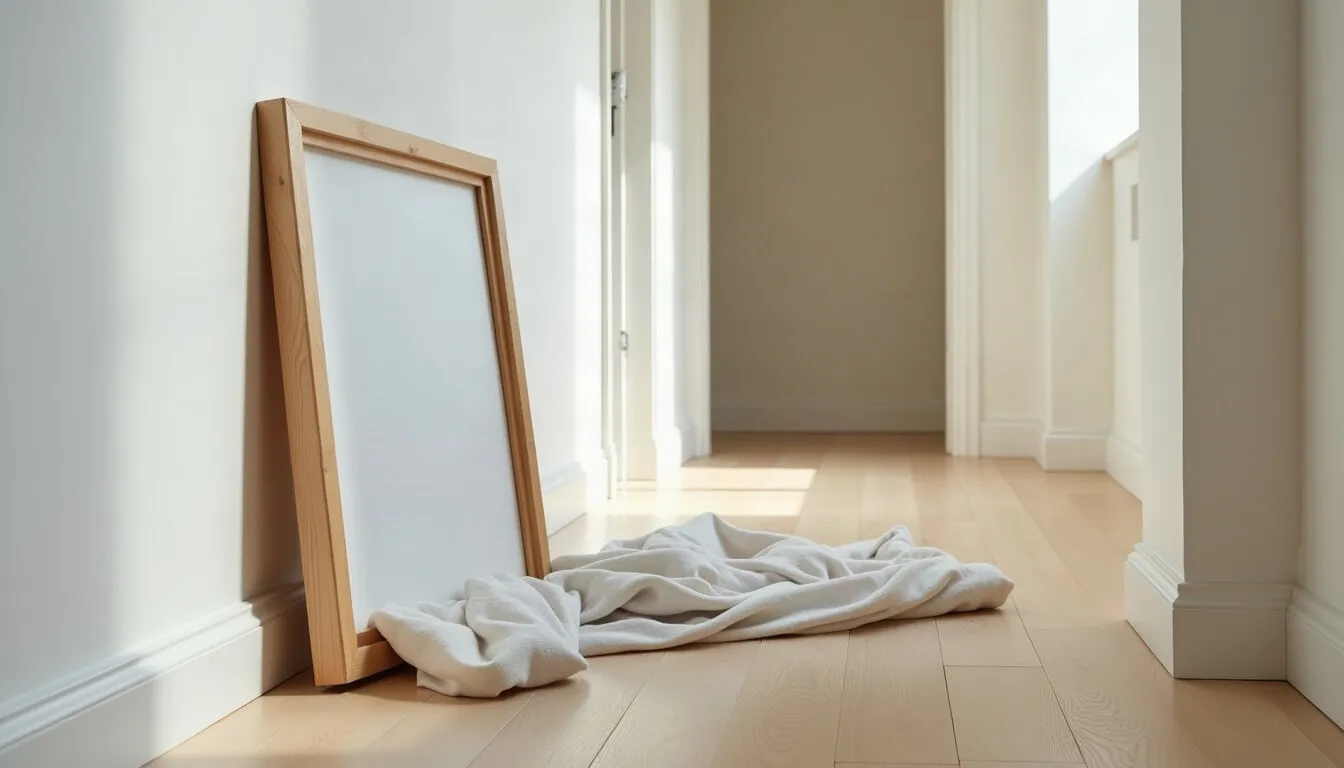
In a lot of houses there's a framed print in the hallway hung slightly too low, slightly off centre, and nobody quite remembers why. Lift it off the hook and the reason is right there: a small metal door. Someone hung the picture to hide the switchboard, which is what Americans call the electrical panel.
That works fine until the day the panel needs work. If you're booking an electrical company such as DR Electric Colorado to upgrade or replace it, the picture, the wall around it and possibly the whole hallway will need to be cleared. Here's a simple checklist so the art comes through the job in good shape.
Find every picture near the panel first
Start by working out exactly where the panel is and what hangs near it. In many houses it's in a hallway, a garage, a laundry or a cupboard. Sometimes it's on an outside wall with the meter on the other side.
Then look at everything within an arm's span or so of it, on the same wall and on the walls either side. Ask yourself three questions about each piece:
- Is it covering the panel door, or in the way of opening it?
- Is it on the same wall, where drilling or cutting might send vibration or dust its way?
- Is it in the route the electrician will take to get to the panel and back out to the van?
Garages deserve a second look. People often store spare frames, rolled posters or a painting waiting for a wall in the garage, leaning right beside the panel. Move those too, and while you're at it, ask yourself whether a garage is really the best place for them. Garages get hot, cold and dusty, which is hard on paper and canvas alike.
Anything that gets a yes to any of those comes down. That's usually more pictures than people expect, especially in a narrow hallway lined with frames, and that's fine. It's ten minutes' work to take them down and it saves a lot of worry.
Clear the wall and the route
Take the pictures down yourself, the day before the electrician arrives. Tradies are careful, but they're there to do the electrical work, not to handle your framed photos, and nobody wants to be the person who knocked a frame off a hook.
Lift each frame with both hands on the sides. Never carry a picture by its wire or cord, which can slip or snap. Stand the frames upright in a room away from the work, face to the wall, with something soft under the bottom edge. A folded towel is perfect.
If you have works on paper behind glass, lay them flat on a bed or table and cover them with a clean sheet. Plaster dust is fine and gets everywhere, and a panel upgrade can involve cutting or patching around the box.
While you're at it, clear anything leaning against the hallway walls, any hall table, and the floor along the route. Electricians often carry long tools and a new panel through the house, and a picture leaning by the skirting board is exactly the thing that gets kicked.
Keep the paperwork moving with the pictures
This is the bit most people skip, and it's the bit I'd never skip.
Before any picture comes down, take two photos: one of the front, one of the back. If it has a certificate, a receipt or a label on the back from the framer, make sure the photo shows it clearly. Pop all the photos in one folder on your phone with a simple name like "hallway pictures".
That folder does three jobs:
- it reminds you where each piece hung, so the rehang goes faster
- it records the condition of each frame before the work, so you can spot a new chip or scratch
- it gives you a record you can share with your insurer if anything ever goes wrong, now or later
It's also a good moment to check that you know where the paperwork for your art lives. Receipts and certificates belong somewhere dry and easy to find, not taped to the back of the frame where a leak or a hungry silverfish can get them. If you're unsure what your home insurance covers for artworks, ask your insurer directly. That's their area, not mine.
If you've ever wanted a picture light over a favourite work, or softer lighting in a hallway full of frames, the time to mention it is while you're already talking to an electrician. Don't plan the wiring yourself. Just describe the wall, the picture and what bothers you about the light now, whether that's glare on the glass or a dim corner, and let them tell you what's possible and safe.
A worked example: the townhouse hallway
Let's take a two-storey townhouse. The panel is at the end of the downstairs hallway, about shoulder height, with a framed photograph hung over the door to hide it. Down the same hallway hang four more frames: two small prints, a larger framed poster and a child's painting in a plain timber frame.
The owner has booked an electrician to upgrade the panel. Here's how they'd handle it.
- The day before, they take down all five frames, not just the one covering the panel. The hallway is narrow, and the poster frame sits right where someone carrying a new panel would turn.
- Photos go into one folder: front and back of each frame. The photograph that hid the panel has a small framer's sticker on the back; the photo makes it readable.
- For storage, the four smaller frames lie flat on the spare bed under a cotton sheet. The poster frame leans face to the wall in the bedroom on a folded towel.
- On the day, they leave the hallway completely clear and stay out of the electrician's way. The electrician does the work and talks them through it.
- Afterwards, the new panel may be a different size or sit slightly differently on the wall. Rather than putting the old picture straight back on the old hook, the owner asks whether there's anything to keep clear around the panel. Then they decide where the photograph should go. It might hang beside the panel door rather than over it, so it never has to come down again.
- Finally, they wipe each frame with a soft dry cloth, check the hooks are still firm in the plasterboard, and rehang the hallway over an evening.
Questions worth asking
Can I hang a picture over the panel door again?
That's a question for your electrician, and it's a good one. They'll tell you what access the panel needs and whether anything should be kept clear in front of or around it. Go with their answer.
Does the power going off affect my art?
Not directly. A few hours without power is no problem for paintings or prints. If the job runs long on a very hot or very cold day and the air-conditioning or heating is off, just keep the room shut and out of direct sun, and things will be fine.
Should I move the art in other rooms too?
Only if those rooms are part of the job. If the electrician will be working on lighting or fittings elsewhere, ask which rooms and clear those walls the same way.
Step back
This week, lift the picture that hangs nearest to your switchboard and look behind it. If you've hung art to hide a panel, think now about where it would go if that door had to stay clear, before the day you need the electrician.
Wall label
- Subject: art near the electrical panel during an upgrade
- Medium: framed prints, photographs, hallways, plasterboard walls
- Hang: the panel wall, the walls beside it and the route to the door
- Note: clear the frames and photograph them front and back the day before the electrician arrives.

Jasper Quayle
Jasper Quayle writes for people buying their first original work: budgets, editions, certificates and the questions worth asking before paying. He lives in Brisbane, where his hallway is mostly prints and picture hooks.
In the same room
What a hidden leak does to the art on your walls
How to spot water behind a wall before it reaches your pictures, what to check on the back of each frame, and what to ask the plumber.
Before the outside painters start, take the pictures down
Exterior painting shakes outside walls and changes the light indoors. Here is what to take down, where to store it and when to rehang.
Caring for a canvas painting at home
Light, humidity, dust, carrying, slack canvas and storage: the everyday care that keeps an oil or acrylic painting on canvas sound, and what to leave alone.